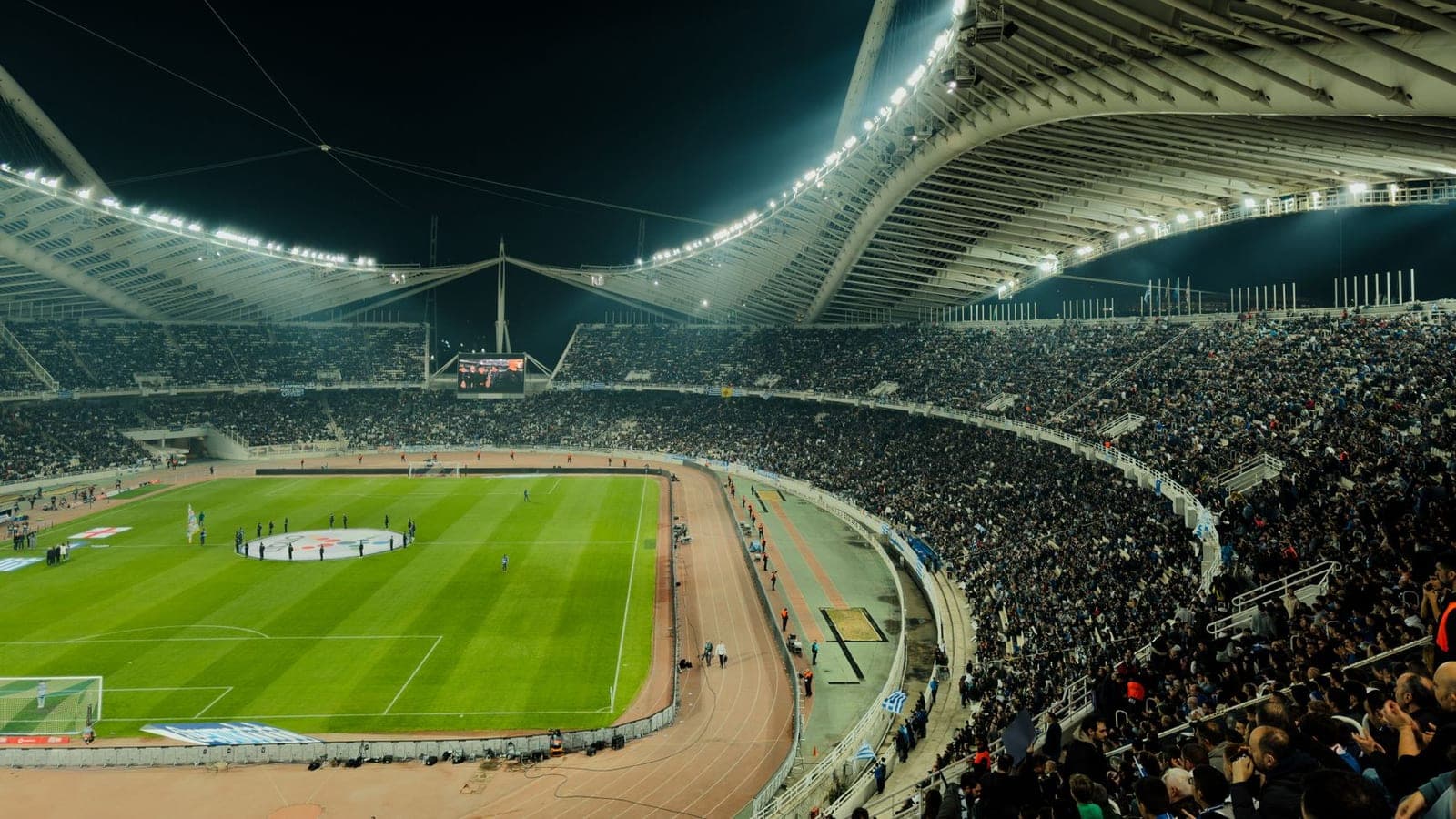
Season tickets are the cornerstone of the relationship between a sports club and its fans. Good management doesn't just maximise revenue — it strengthens the emotional bond with the club. Renewals, seat changes, match transfers, exclusive benefits... everything has to run smoothly. For a broader view of sports ticketing, see our guide on sports ticketing.
There's a layer that often gets overlooked: in Spain, a season ticket isn't just a commercial product. It's a title granting access to a sports venue, which brings it squarely under Law 19/2007 against violence, racism, xenophobia and intolerance in sport, and its implementing regulation, Royal Decree 203/2010. These two pieces of legislation determine what must be printed on the season ticket, what access control system is mandatory, and under what conditions it can be withdrawn from someone. This guide covers both sides: the commercial cycle and what the law requires at each step.
What stages make up the season ticket holder lifecycle?
Season ticket holder management follows an annual cycle with key moments.
- Renewal: period for current holders to keep their seat
- New sign-ups: opening for new holders after renewal
- Changes: window for requesting a seat change
- Season: in-season management (access, transfers)
- End of season: analysis, loyalty building, preparation for the next cycle
The order isn't arbitrary: each stage uses up spaces needed for the next. If you open new sign-ups before closing renewals, you sell seats that still belong to someone else. If you open seat changes before closing new sign-ups, you move people into seats you've just sold. A calendar that's actually followed is worth more than any campaign.
| Stage | What gets decided | What needs to be locked in beforehand |
|---|---|---|
| Renewal | How many seats become available | Prices, zones and payment deadline |
| New sign-ups | What portion of capacity opens to the market | Confirmed list of non-renewals |
| Seat changes | Who moves and in what order | Written seniority criteria |
| Season | Access, transfers and official resale | Computerised control system |
| End of season | Pricing and benefits for the next cycle | Actual attendance data per match |
What does Spanish law require of a club's season ticket?
More than it might seem, and it affects the design of the system, not just the paperwork. Article 11.1 of Law 19/2007 requires that all venues hosting professional competitions of national scope «deberán incluir un sistema informatizado de control y gestión de la venta de entradas, así como del acceso al recinto» (must include a computerised system for controlling and managing ticket sales and venue access). This isn't an efficiency recommendation: it's a legal requirement, and the season ticket falls under that system just as much as a single ticket.
Article 8 of Royal Decree 203/2010 repeats this at regulatory level: «Los organizadores responsables de todos los recintos deportivos […] deben establecer un sistema informatizado de control y gestión de venta de entradas, así como de acceso a los recintos» (The organisers responsible for all sports venues […] must establish a computerised system for controlling and managing ticket sales, as well as venue access).
What must appear on the ticket itself isn't optional either. Article 20 of the same regulation lists what must appear on the front: «Numeración correspondiente. Recinto deportivo. Clase de competición, torneo y organizador. Evento deportivo, organizadores del mismo y clubes, sociedades o entidades participantes. Clase y tipo de localidad. Puertas de acceso al recinto» (Corresponding numbering. Sports venue. Type of competition, tournament and organiser. Sporting event, its organisers and the participating clubs, companies or entities. Seat class and type. Venue access gates). And on the back, the grounds that bar access or continued presence: weapons, pyrotechnics, alcoholic drinks and racist or violent messages. A season ticket that only carries the club crest, name and a QR code falls short of Article 20.
There's a third obligation almost no one links to season tickets: the register. Article 21 requires clubs, sports promotion bodies and public limited sports companies to «elaborar y mantener un libro de registro que contenga información genérica e identificativa sobre la actividad de las peñas, asociaciones, agrupaciones o grupos de aficionados» (draw up and maintain a register containing general, identifying information on the activity of supporters' clubs, associations, groupings or fan groups). If you sell season tickets in bulk to supporters' clubs, that register and your season ticket holder database need to match up.
Above all of this sits the State Commission against violence, racism, xenophobia and intolerance in sport, governed by Royal Decree 748/2008. Its Article 3.1 gives it the power to decide which organisers must install closed-circuit television, identify which clubs are required to keep the register, and declare a fixture «de alto riesgo» (high-risk). That declaration changes access control for a specific match and, with it, what a season ticket holder can do that day.
Withdrawing a season ticket as a sanction
Article 3.3 of Law 19/2007 provides that sports entities' regulatory provisions may allow sanctioned individuals to be «privar de los abonos vigentes y de la inhabilitación para obtenerlos durante el tiempo que se determine reglamentariamente a las personas que sean sancionadas» (deprived of current season tickets and barred from obtaining them for a period set out in regulations). Article 6.2.d) of RD 203/2010 contains the same mechanism. This is our reading, not a literal statement in the law: if your internal regulations don't spell out the grounds, the procedure and the time limit, withdrawing a season ticket is a decision the person affected can challenge. Writing it down before you need it takes an afternoon.
How can the season ticket renewal process be optimised?
Renewal is the critical moment. Every holder who doesn't renew is a loss that's hard to recover.
- Advance communication: give notice weeks ahead
- Fully online process: avoids queues and travel
- Instalment payment: eases the large outlay
- Early-renewal incentive: discount or gift via promo codes
- Reminders: emails and SMS before the deadline expires
Three details separate a campaign that works from one that generates complaints. First: the deadline has to be written with a date and time, and so does the consequence of not renewing. "Loses their seat" and "loses their season ticket holder status" aren't the same thing, and it's worth not blurring the two in the email.
Second: if you offer instalment payment, you're signing up to a billing schedule that runs for months. Decide upfront what happens if a payment bounces: how many grace days, what surcharge, and at what point access is deactivated. A season ticket that stops being paid for in February but keeps opening the turnstile until May is a silent leak.
Third: an early-renewal discount works better as a date than as a percentage. "Until 30 June" moves more people than "10% off" because it frames things as a loss, not a gain. The effect is the same one seen with early bird tickets, and it's measured the same way: the renewal curve by day compared with the previous season.
How does match transfer work?
When a season ticket holder can't attend a match, being able to transfer or resell their seat benefits everyone.
- Free transfer: the holder passes their ticket to someone they know
- Controlled resale: the club runs an official secondary market
- Capped price: the club sets a maximum and minimum
- Ticket generation: the recipient gets a valid ticket
- Updated data: the club knows who will actually attend
Transfer isn't just a convenience: it's the only way for the club to know who will actually be sitting in that seat. And that ties back to Article 8 of RD 203/2010: if the transfer happens over WhatsApp and the physical season ticket changes hands at the gate, the computerised control system stops reflecting reality.
The official channel is also the answer to speculative resale. Article 27.6 of Law 3/1991 on Unfair Competition treats as unfair, on grounds of being misleading, the practice of «la reventa de entradas de espectáculos a los consumidores o usuarios si el empresario las adquirió empleando medios automatizados» (reselling event tickets to consumers or users if the trader acquired them using automated means). The law targets those who buy with bots, not a season ticket holder who transfers a match. But a club that offers no legitimate transfer channel pushes its own members outside it, where that distinction no longer holds.
Three rules worth writing into the season ticket terms:
- 1How many transfers per season. Without a limit, the season ticket becomes a resale product with a guaranteed seat.
- 2What happens to the proceeds. If there's official resale at a price, set out upfront what share goes to the holder and what share to the club, and state it before the first transaction.
- 3What happens if the recipient breaks the rules. The holder's liability for the conduct of whoever uses their seat needs to be written down, not assumed.
How are seat changes managed?
A season ticket holder's seat is almost sacred. Managing changes calls for sensitivity.
- Seniority: priority for changes based on years as a holder
- Change window: a specific period, not year-round
- Visualisation: stadium map with real-time availability
- Waiting list: for zones with no availability
- Upgrades: offer zone upgrades with special conditions
The priority criterion is the one thing that avoids disputes. Publish it before the window opens, with the exact tie-break order: unbroken years as a holder, sign-up date, and only then the time the request was submitted. If the final tie-break is "first come, first served", whoever's quickest on the server decides who sits where, and member services feel it for weeks.
One accessibility caveat: seats reserved for people with reduced mobility and their companions don't belong in the same pool as the rest. Keep that allocation out of the change market and assign it through its own process.
Can a season ticket holder ask for a refund?
If the season ticket is tied to specific dates, there's no right of withdrawal. Article 16(l) of Directive 2011/83/EU excludes from the right of withdrawal «the provision of accommodation other than for residential purpose, transport of goods, car rental services, catering or services related to leisure activities if the contract provides for a specific date or period of performance». In Spain, that exception sits in Article 103 of the consolidated text of the General Law for the Protection of Consumers and Users, headed «Excepciones al derecho de desistimiento» (Exceptions to the right of withdrawal).
The absence of a right of withdrawal doesn't mean there are no refunds. These are two different things, and the sales terms should keep them separate:
- Withdrawal: the 14-day cooling-off period with no reason needed. It doesn't apply to a season ticket with a fixed schedule.
- Breach: a match that doesn't go ahead, a venue or time change that prevents attendance, capacity cut by an administrative decision. Here, the club does carry contractual liability.
It's the second one that ends up in complaints. Set out in writing what happens with matches played behind closed doors and with postponements, and how compensation works: a ticket for another match, a discount on renewal, or a proportional refund. The general criteria and timeframes are covered in the guide on ticket refund policy.
What VAT applies to a season ticket?
It depends on the nature of the competition, not the club. The AEAT's practical VAT manual includes «los espectáculos deportivos de carácter aficionado» (amateur sporting events) in the list of services taxed at the reduced 10% rate, alongside «la entrada a bibliotecas, archivos […] teatros, circos […] conciertos, y a los demás espectáculos culturales en vivo» (admission to libraries, archives […] theatres, circuses […] concerts, and other live cultural events).
Professional sporting events don't appear on that list. This is our reading, not a literal statement from the AEAT: since they're not among the reduced rates, the standard 21% rate applies to them. The line between amateur and professional isn't drawn by the season ticket but by the competition, and a club with both a professional team and a youth academy could be issuing season tickets at two different rates within the same campaign. It's worth settling this with your tax adviser before sales open, not after. The general framework is in the guide on ticket sales taxation.
Who owns the season ticket holder's data?
The holder does, and the club processes it on a specific legal basis. Regulation (EU) 2016/679 allows, under Article 6.1(b), processing necessary for the performance of a contract to which the data subject is party: that's what covers the season ticket, venue access and payment. It doesn't cover marketing communications sent on behalf of sponsors, which need their own legal basis and their own prior notice.
Three practical consequences for a club:
- Separate purposes. Managing the season ticket, security access control and marketing are three distinct processing activities, with different retention periods.
- Inform at sign-up. The information required under Article 13 must be given when the data is collected, not buried in a footer link.
- Demand portability from your provider. If you switch platforms, twenty seasons' worth of holder data must be exportable in a readable format.
With Futura Tickets, the attendee database belongs 100% to the organiser: emails and phone numbers are handed over in full, in compliance with GDPR. For details on what to demand from any provider on this front, see the GDPR guide for organisers.
What benefits strengthen season ticket holder loyalty?
A season ticket should be more than match access. Exclusive benefits reinforce loyalty.
- Discounts: at the official shop, with partners, on merchandise
- Presales: early access to tickets for special events
- Experiences: changing-room visits, meet-and-greets with players
- Accumulation: years as a holder unlock progressive benefits. Find out more about building loyalty among event attendees
The institutional context backs this up. Law 39/2022, of 30 December, on Sport lists among the aims of sports policy, in Article 3(p), «el fomento del asociacionismo de las aficiones» (promoting associations among fans). A season ticket holder programme that recognises supporters' clubs and gives them their own channel isn't just marketing — it's in line with the direction set by the law.
Checklist before launching a season ticket campaign
Six checks. All of them done before the first holder reaches the website.
Check that your season ticket carries what Article 20 requires. Numbering, venue, competition, organiser, seat class and access gates on the front; grounds for refusing access on the back. The digital season ticket too.
Verify that access control is the computerised system required under Article 8. And that transfers go through it. A turnstile that doesn't know who came in isn't fulfilling the function the law assigns it.
Write the grounds for withdrawing a season ticket into your regulations. Grounds, procedure and time limit. Article 3.3 of Law 19/2007 defers to the entity's own provisions: without them, you don't have the power.
Keep withdrawal separate from refunds in the sales terms. The former lapses once the fixed date passes; the latter depends on what you fail to deliver.
Confirm the VAT rate for each competition before setting the price. Amateur and professional aren't taxed the same, and the public price is set with the rate already built in.
Set and publish the criteria for seat changes. With a tie-break order. And keep accessible seating out of the pool.
Conclusion
Season tickets are far more than a transaction: they're an expression of a fan's commitment to their club. A management system that makes renewal easy, allows transfers, handles seat changes and rewards loyalty turns that commitment into a lasting, profitable relationship for both sides. If you're evaluating platforms to manage your club, check out our guide on how to choose a ticketing platform.
And it's worth keeping the other half of the picture in view. A season ticket is a seasonal contract, a regulated access title and a personal data record, all three at once. The campaign is won through communication; complaints are avoided through terms written down before it opens.
Sources
- Law 19/2007, of 11 July, against violence, racism, xenophobia and intolerance in sport (BOE, consolidated text)
- Royal Decree 203/2010, of 26 February, Regulation on the prevention of violence, racism, xenophobia and intolerance in sport (BOE, consolidated text)
- Royal Decree 748/2008, of 9 May, State Commission against violence, racism, xenophobia and intolerance in sport (BOE)
- Law 3/1991, of 10 January, on Unfair Competition, Article 27.6 (BOE, consolidated text)
- Consolidated text of the General Law for the Protection of Consumers and Users, Article 103 (BOE, consolidated text)
- Law 39/2022, of 30 December, on Sport (BOE, consolidated text)
- Directive 2011/83/EU on consumer rights, consolidated version, Article 16 (EUR-Lex)
- Regulation (EU) 2016/679, General Data Protection Regulation (EUR-Lex)
- Practical VAT manual: reduced tax rate of 10% (Tax Agency)