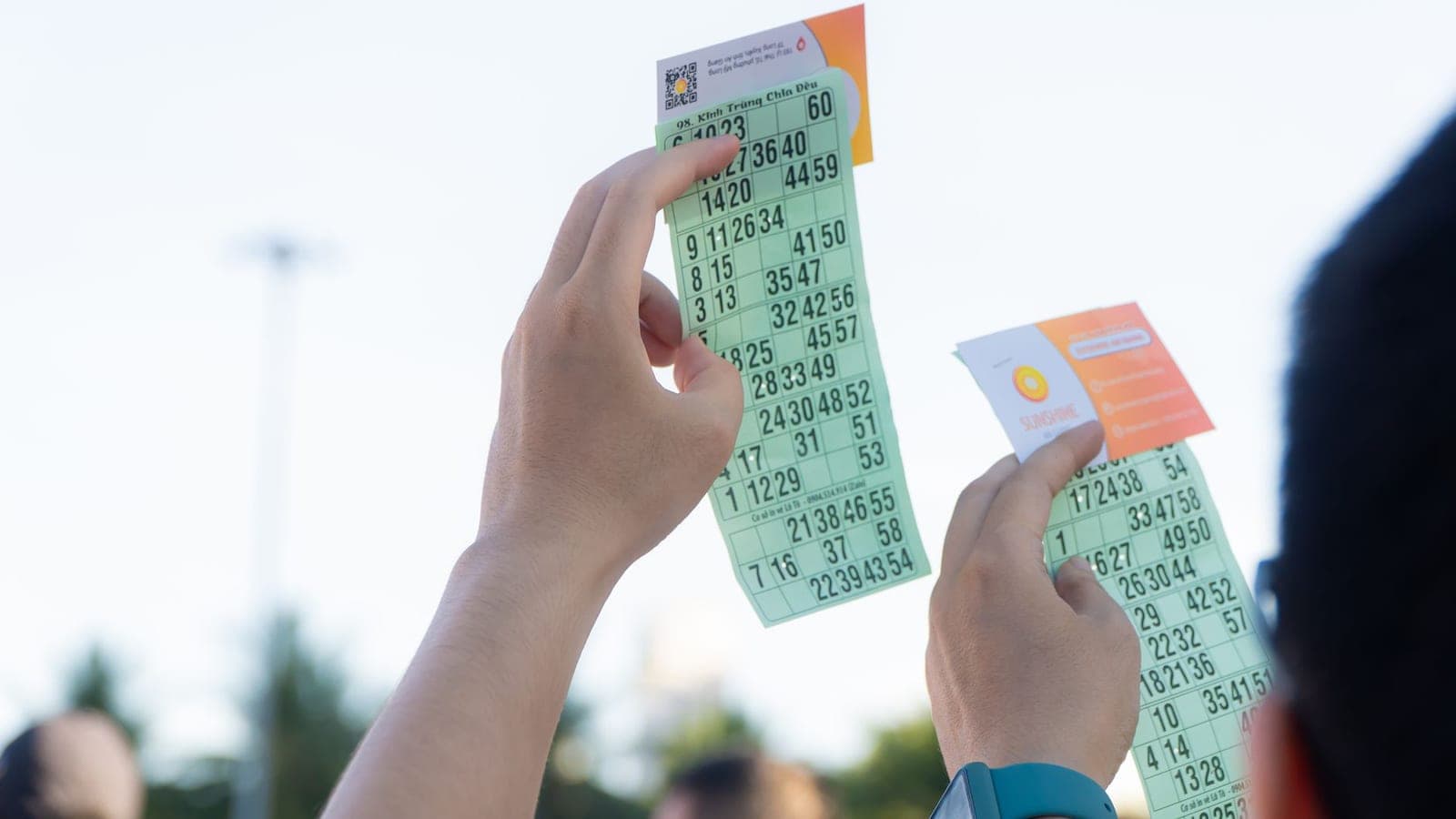
You have sold 3,000 tickets for a concert, and on the day of the event 3,400 people turn up with a ticket in hand. Four hundred of them are fake. Chaos at the gate is unavoidable: endless queues, angry attendees, your security team overwhelmed and your reputation in tatters. This is not a hypothetical scenario. It happens to promoters in Spain every festival season.
Concert ticket fraud is not a minor or anecdotal problem. It is a business that moves millions of euros a year in Europe and has professionalised to worrying levels. Counterfeiters are no longer individuals with a printer: they are organised networks that use social engineering, automated bots and opaque secondary markets to sell forged tickets at scale.
In this article you will find real data on the scale of ticket fraud in Spain and Europe, the most common methods fraudsters use, documented cases that illustrate the impact and, above all, the concrete measures you can put in place as a promoter to protect your events and your audience.
How big is concert ticket fraud in numbers?
Data on concert ticket fraud is hard to consolidate because many promoters do not report or quantify incidents. Even so, the available figures are alarming.
There is no reliable public statistic for the percentage of fake tickets: the figures in circulation do not cite any study, so we do not repeat them. What the European Consumer Organisation (BEUC) does say, in its 2019 guide on ticket resale, is that it is often very difficult for consumers to enforce their rights when a ticket bought from an unauthorised reseller causes problems.
Estimates of the size of the secondary market published by portals such as Statista do not separate resale with a guarantee from resale without one, so they are no use for measuring fraud. In Spain, the National Police have intervened in several cases involving the sale of fake tickets; below we cite one documented by the Ministry of the Interior.
What promoters do not tell you
Many promoters absorb the problem without making it public. Admitting that fraud occurred at your event can damage your brand image and breed distrust among future buyers. That is why official figures represent only the tip of the iceberg.
At the gate, duplicated tickets, screenshots and forgeries are concentrated at sold-out events with active resale. If your access system logs rejections, that is your data: how many entry attempts were rejected and why.
What are the most common ticket fraud methods?
Fraudsters have evolved. A holographic stamp on a ticket is no longer enough to feel safe. These are the methods most used today in Spain and Europe.
Screenshots and QR code duplication
This is the simplest and most widespread method. A legitimate buyer receives their ticket with a QR code, takes a screenshot and sends it to three friends. All four turn up at the gate, but only the first to scan gets in.
This requires no technical knowledge. A phone and WhatsApp are enough. And the people harmed are usually those who bought the screenshot in good faith from an acquaintance or a stranger on social media.
Phishing and cloned websites
Fraudsters create websites that imitate the look of legitimate sales platforms or of the event's own site. They buy similar domains, copy the design and set up payment gateways that harvest card details. The buyer believes they have bought a ticket and receives a PDF that looks real but has no validity whatsoever.
In Spain, cloned websites have been documented for festivals such as Primavera Sound, Mad Cool and Sónar, with domains that included minimal variations of the official name.
Mass-buying bots and inflated resale
Organised networks use automated bots to buy hundreds of tickets in the first minutes of a sale. They then resell them on third-party platforms at prices far above the original. Although the ticket itself is legitimate, the final buyer pays an unfair markup and the promoter loses control over who attends their event.
There is no public figure for the weight of bots in ticket sales, but there is one for the internet as a whole: according to the 2025 Imperva (Thales) Bad Bot Report, whose publisher sells bot protection, malicious bots accounted for 37% of all web traffic in 2024.
Direct forgery with invented data
At events that still use paper tickets or PDFs without real-time validation, counterfeiters generate tickets with invented barcodes or QR codes. They design the PDF in the same style as the event and sell it as legitimate. The fraud is only discovered when the code fails to validate at the gate.
Social engineering and compromised staff
Less frequent but more damaging: fraudsters who approach box office or event staff to obtain codes, guest lists or access to the ticketing system. An employee who sells access on the side can generate a volume of fraud that is hard to trace.
What ticket fraud cases have been documented in Spain?
You do not have to look far for real examples of the impact of concert ticket fraud.
Province of Valencia, December 2023
The National Police arrested a woman in the province of Valencia for the mass sale of fake tickets for various music events, according to the Ministry of the Interior. According to the National Police press release of 4 December 2023, she sold the tickets on buying-and-selling platforms using up to 14 different phone numbers. Fifty-eight victims were identified, although the police presume there are many more, and the investigation began with an email sent to its internet fraud reporting address. It is the usual pattern: tickets for in-demand events, sold outside official channels to people who failed to get their own.
Summer festivals and the recurring problem
Every summer, social media fills with testimonies from people who bought festival tickets from strangers and found that the ticket had already been used or simply did not exist. Consumer associations and the police themselves repeat the same advice: buy only through official channels.
The lesson from major events
Although this article focuses on concerts, any high-demand event, such as a football final or a stadium concert, attracts the same fraud. The lesson is clear: the greater the demand, the greater the incentive to forge.
What is the real cost of fraud for the promoter?
Concert ticket fraud does not only affect the defrauded buyer. The promoter suffers direct consequences that can jeopardise the viability of an event.
Operational cost at the gate
Every fake ticket that reaches the gate creates a conflict. Your access team has to deal with a person who believes they hold a legitimate ticket and finds they cannot get in. This consumes time, resources and patience. At large events, these conflicts can delay entry for all attendees.
Reputational damage
A promoter whose event appears on social media with complaints such as "they sold me a fake ticket" suffers reputational damage that is hard to quantify. It does not matter that the fraudster is to blame: the public associates the problem with the event and the promoter.
Complaints and refunds
Defrauded buyers end up making claims against the promoter, the sales platform or their bank. Handling these claims carries an administrative cost and, in some cases, a legal one.
Loss of data and business intelligence
When part of your audience buys through unofficial channels, you lose valuable data. You do not know who is really attending, you cannot segment, and you cannot communicate with them after the event. Your database is left incomplete and your ability to make data-driven decisions is compromised.
Safety risk at the venue
There is one dimension that is rarely mentioned: physical safety. If your maximum capacity is 5,000 people and 5,500 turn up with tickets (500 of them fake), you can have a serious safety problem. Evacuation plans, security staffing ratios and the capacity of medical services are calculated for the authorised capacity. Exceeding that limit, even because of fraud, can bring legal liability for the promoter.
Who is the buyer defrauded with fake tickets?
Understanding who falls for these frauds helps prevent them. The defrauded buyer is not necessarily naive. The typical case is someone looking for tickets to a sold-out event. Urgency and scarcity are the fraudster's best allies.
The usual channels are Telegram and WhatsApp groups, peer-to-peer classified sites, Instagram accounts that look legitimate and cloned websites ranking on Google. Social media is especially dangerous because it creates false trust: a profile with photos, followers and activity looks legitimate even when it is not.
The defrauded buyer usually pays by Bizum or bank transfer, methods that make a later claim difficult. Fraudsters avoid PayPal or card payments precisely because those methods allow a charge to be disputed.
Which anti-fraud measures really work?
Now for the useful part. What can a promoter do to protect their events against concert ticket fraud?
Dynamic QR codes with real-time validation
The first step is to abandon any system based on static codes. A static QR code can be copied endlessly. A dynamic QR code is regenerated periodically and validated against a centralised database at the moment of scanning. If someone takes a screenshot, the code will have changed by the time they try to use it.
Access control with identity verification
Linking each ticket to an identified holder drastically reduces the chances of fraud. You do not need to ask every attendee for ID, but you should record a name and a verified email at purchase. At the gate, a simple cross-check between the holder's name and an identity document defeats most simple frauds.
Official transfer as the only way to change holder
If a buyer cannot attend, they should have an official way to transfer their ticket to someone else through the platform. The original ticket is invalidated and a new one is issued to the new holder. This removes the need to sell tickets via WhatsApp or Wallapop.
You can set up this system with price caps to prevent speculative resale. More on this in our guide to controlling resale.
Per-person purchase limits
Setting a limit on tickets per purchase (for example, 4 or 6 per transaction) reduces the ability of bots and scalpers to hoard stock. Combine it with unique email verification and CAPTCHA protection to make automated buying harder.
Monitoring suspicious patterns
Ticketing platforms with advanced anti-fraud systems monitor patterns such as multiple purchases from the same IP, inhumanly fast purchase speeds, sequential use of prepaid cards, or spikes in transfers from a single account. These alerts make it possible to block suspicious operations before the fraud is completed.
Clear communication with your audience
Many frauds are avoided simply by informing your audience. Include in all your communications (website, social media, email) which are the official sales channels and what a legitimate ticket looks like. Warn explicitly about the risks of buying on unofficial marketplaces.
What legal protection does the promoter have in Spain?
Spanish law offers the promoter tools, although they are not always quick.
The Criminal Code and entertainment regulations
Selling fake tickets can amount to fraud (article 248 of the Criminal Code). Fraud is punishable by imprisonment, and the Criminal Code increases the penalty in some cases, for example depending on the amount involved or the number of people affected. In addition, the autonomous communities have their own rules on public entertainment that regulate ticket sales and can penalise those who operate without authorisation.
Always report it
Even if it feels like a losing battle, reporting every case of fraud matters. Accumulated reports allow the police to identify patterns and organised networks. Having filed a report also helps you respond to affected buyers who come to you with claims.
Working with platforms and authorities
Work with the platforms where fake tickets are advertised (Wallapop, Milanuncios, social media) to report and remove fraudulent listings. Many of these platforms have reporting mechanisms which, although slow, can limit exposure.
Why is ticketing technology the first line of defence?
The choice of your ticketing platform is probably the most important decision you can make on anti-fraud. Not all platforms offer the same level of protection.
Look for a platform that includes, at a minimum: dynamic QR codes with automatic rotation, real-time validation against a centralised database, an official ticket transfer system, suspicious-pattern alerts, a complete traceability log for every ticket and configurable per-person purchase limits.
Platforms such as Futura Tickets build in these layers of security natively, with no extra configuration needed from the promoter. But whichever platform you choose, make sure anti-fraud security is not an optional add-on but part of the core of the product.
Anti-fraud checklist for your next event
Before putting tickets on sale for your next concert or festival, go through this list:
- Your platform uses dynamic QR codes, not static ones
- Each ticket is linked to a holder with a verified email
- There is an official ticket transfer system
- There is a per-person purchase limit and anti-bot protection
- Suspicious-pattern monitoring is switched on
- You have published the official sales channels on your website and social media
- Your access team knows how to act when faced with an invalid ticket
- You have a reporting protocol ready for acts of fraud
- You have checked buying-and-selling platforms for fraudulent listings
- Your system records the complete traceability of every ticket
For more detail on how to put these measures in place, see our guide to spotting fake tickets and the information on our access control system.
Conclusion
Concert ticket fraud is a real, measurable and growing problem in Spain. It will not disappear on its own, and promoters who do not take active measures are taking an unnecessary risk with their business, their reputation and their audience.
The good news is that current technology can reduce fraud to residual levels. Dynamic codes, real-time validation, official transfers and pattern monitoring are accessible tools that any promoter can implement by choosing the right platform.
Do not wait for it to happen to you. The next time a fraudster sells a screenshot of a ticket to your event, let it be your system that catches it before it reaches the gate.