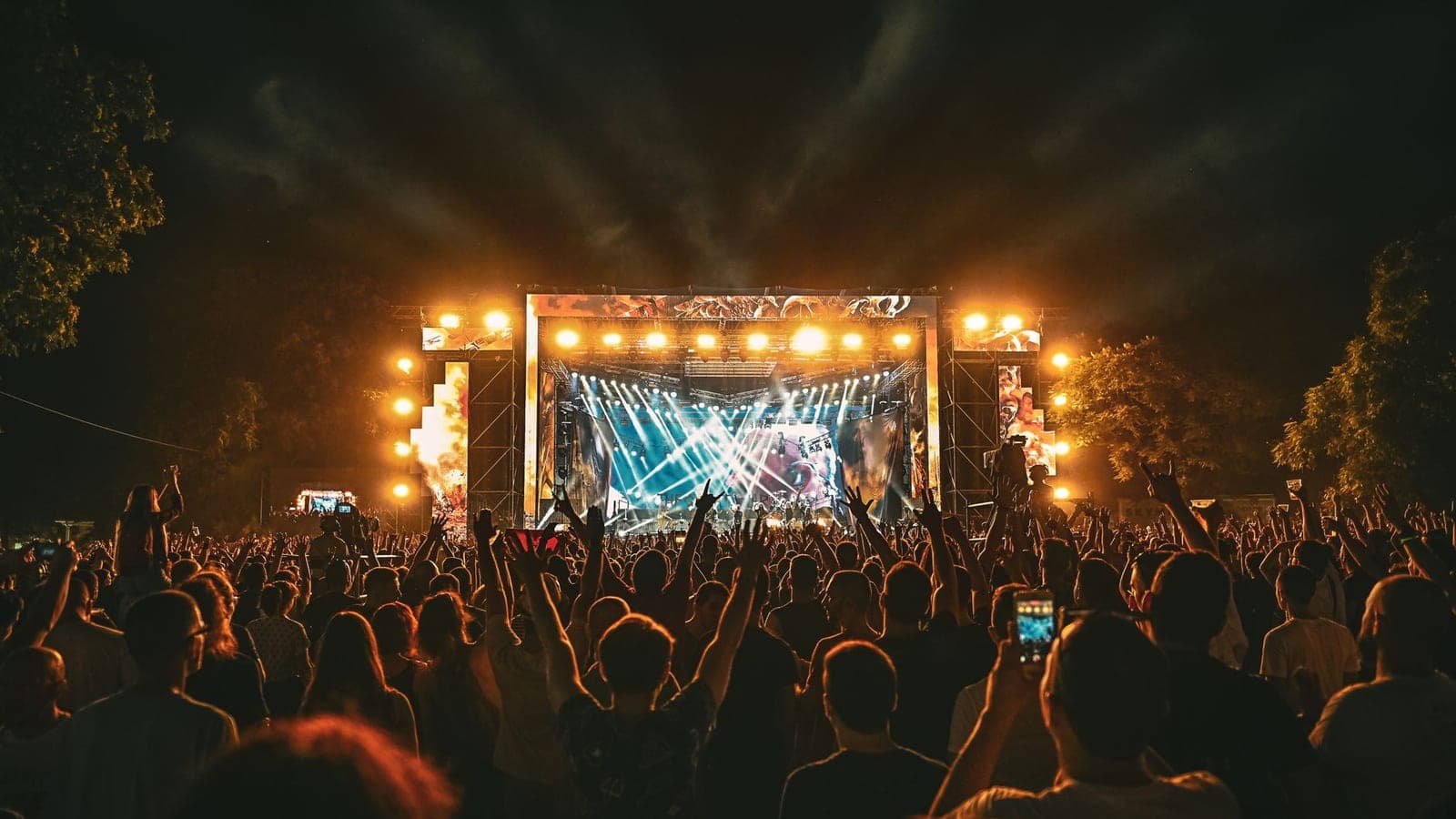

Being an event promoter is one of those jobs that looks glamorous from the outside and chaotic from the inside. From the outside, it's stages, artists, an engaged crowd, and afterparties. From the inside, it's hundreds of decisions under pressure, vendors who don't respond, permits that arrive late, unpredictable weather, and the eternal question: will I sell enough tickets?
This guide isn't about motivation or inspirational quotes about "following your passion." It's about what an event promoter needs to know and do to turn their activity into a profitable, repeatable, and scalable business. From putting together your first event to consistently selling out venues.
Whether you organize one event a month or ten a year, whether you work with 200-person venues or 10,000-person festivals, the fundamentals are the same. What changes is the scale. And this guide covers both.
What exactly does an event promoter do?
An event promoter is the person or company that takes on the financial risk of producing a live event. That involves:
- Selecting and booking the talent: artists, speakers, DJs, chefs, or any content that draws an audience.
- Securing a venue: negotiating with the hall, the arena, or the outdoor space.
- Financing the production: fronting the production costs (sound, lights, security, staff) before earning any revenue.
- Selling tickets: designing the sales strategy and executing the commercialization.
- Managing operations: coordinating all vendors and ensuring the event takes place without incidents.
- Owning the financial outcome: if it sells out, the profit is yours. If it doesn't, so is the loss.
What sets a promoter apart from a generic organizer is precisely the assumption of risk. The promoter doesn't charge a fixed fee for organizing: they win or lose depending on how many tickets they sell and how much they spend on production. That's why every decision in this guide is geared toward maximizing revenue and controlling costs.
How do you validate the idea before committing money?
The most expensive mistake a beginner promoter makes is falling in love with an idea and committing money before validating it. Booking an artist because "I love their music" without checking whether there's real demand in your market is a recipe for disaster.
How to validate demand
- Social media search: how many followers does the artist or concept have in your geographic area? Don't look only at global numbers. An artist with 5 million Spotify listeners but no audience in Spain can be a local flop.
- Comparable events: has anything similar been done in your city in the last 12 months? How was attendance? Talk to other promoters, to venues, to people in the industry.
- Pre-registration of interest: before spending a single euro, create a landing page or an interest form. If you can't get 500 sign-ups for a 2,000-person event, the demand probably isn't there.
- Google Trends and search volume: check whether people are actively searching for the artist, the genre, or the type of event in your area.
The calculation you must do before signing anything
Before committing to an artist's fee or a venue rental, you need the following exercise:
- 1Total venue capacity × average ticket price × expected occupancy rate = Estimated gross revenue
- 2Gross revenue - ticketing fees - VAT = Net revenue
- 3Net revenue - artist fee - production - venue - security - marketing - contingencies (10%) = Estimated profit
If the estimated profit is negative at 70% occupancy, the event carries high risk. An experienced promoter needs to see a profit at 60-65% occupancy to feel comfortable with the risk.
How do you choose the right ticketing platform?
Your ticketing platform isn't just a point of sale: it's your commercial management tool, your data source, and your first line of defense against fraud. Choosing it poorly carries a cost you'll be dragging around for months.
The 5 criteria that really matter for a promoter
- 1Ownership of buyer data: if the platform retains your buyers' emails or uses them to promote other promoters' events, you're giving away your most valuable asset. You need full access to your database.
- 1Settlement speed: when do you receive the money? If the platform holds the revenue until after the event, you're financing the entire production out of your own pocket. Continuous settlement (daily or weekly) completely changes your cash flow.
- 1Real fee, not the headline one: a 3% fee that doesn't include the payment gateway, doesn't include anti-fraud, and charges extra for white-label can end up costing you more than an all-inclusive 5%. Calculate the real cost per ticket sold.
- 1Anti-fraud system: if you sell more than 500 tickets per event, you're going to face fraud attempts. Bots, stolen cards, duplicated QR codes. A platform without serious anti-fraud exposes you to losses and to access-control problems.
- 1Support at the critical moment: when sales open and something fails, you need someone who responds in minutes, not in 48 hours. Ask about response times and whether they offer support on event day.
For a more complete evaluation, check the 15 criteria for choosing a ticketing platform.
How do you design the pricing strategy?
The price of your tickets isn't a number you pull out of intuition. It's a strategic decision that affects your total revenue, your sales velocity, the perception of your brand, and your ability to fill the venue.
Phased pricing structure
Most professional promoters work with a phased pricing model that generates urgency and rewards early purchase:
- Early bird (first 48-72h): lowest price, limited in quantity or time. Its purpose isn't to generate revenue: it's to generate initial traction, create social proof, and finance the first production costs.
- First phase: the "standard" price once the early bird closes. It should cover at least 60% of your inventory.
- Final phase: the highest price for late buyers. This is where the margin lives, because last-minute buyers are less price-sensitive.
- Door: if you sell at the box office on event day, the price should be significantly higher than online. This incentivizes advance purchase, which gives you certainty and data.
Pricing mistakes that cost money
- Single price with no phases: you lose urgency and the ability to capture more value from buyers willing to pay more.
- Early bird too cheap or too broad: if 50% of your capacity buys at the early bird price, you're leaving money on the table.
- Not including service fees: if your €20 price turns into €23.50 after adding fees, the buyer feels deceived. Decide whether you absorb the fees or show them from the start.
To dive deeper into pricing strategy, read our guide on how much to charge for tickets and the dynamic pricing guide.
What does a marketing plan and sales launch look like?

Having a great event and a good pricing strategy is worthless if nobody finds out about it. Event marketing has its own rules, and the most important one is that timing is everything.
Marketing calendar for a typical event
4-6 weeks before the event:
- Announce the event on social media with a visual teaser
- Activate pre-registration or a waitlist for the early bird
- Press release to specialized media
- Communication to your database of previous buyers
On-sale day:
- Email to your entire database 30 minutes before opening
- Social media posts with a countdown and direct purchase link
- Instagram Stories with a purchase link
- Activation of influencers or collaborators with their sales links
First week:
- Communicate sales numbers ("first 500 tickets sold in 24h") to generate social proof
- Retargeting to visitors who didn't complete the purchase
- Abandoned cart recovery
2-4 weeks before:
- Confirmation of the full line-up or additional details
- Push for the final pricing phase with real urgency
- Collaboration with venues, bars, and local businesses to distribute promotion
Final week:
- Reminder email to buyers with practical info (schedules, how to get there, rules)
- Final sales push with a "last tickets" message if it's real
- Preparation of content for event day (stories, live streams)
For a detailed strategy on the first 7 days, check our ticket sales launch guide.
Channels that work for promoters in Spain
- Instagram: the number one channel for leisure, music, and culture events. Reels and Stories with a purchase link convert better than static posts.
- WhatsApp: groups and broadcasts remain the channel with the highest open rate. A well-segmented message converts better than any email.
- Email marketing: essential for recurring buyers. Your database is your most valuable asset in the long run. Here's an email marketing guide for events.
- TikTok: exponential growth for events aimed at a young audience. Well-executed organic content can generate more sales than paid advertising.
- Google Ads: effective for events with existing search demand ("X concert in Madrid"). Less useful for discovery events.
You can dive deeper into selling from Instagram and TikTok and digital marketing for events.
How do you manage pre-event operations?
With tickets selling, comes the part that separates amateur promoters from professionals: operational management. An event that sells 3,000 tickets but has access problems, 45-minute queues, and security failures destroys a promoter's reputation faster than an event that doesn't sell out.
Essential operations checklist
Venue and production:
- Signed contract with the venue including cancellation, liability, and insurance clauses
- Technical production plan (sound, lights, stage) locked in with the vendor
- Security plan approved by the venue and, if necessary, by local authorities
- Municipal permits processed (if applicable)
Access control:
- Ticket validation system tested and configured
- Access staff trained on using the system
- Plan B for technical failures (connection, scanning devices)
- Protocol for handling problematic tickets (duplicates, invalid ones, names that don't match)
Human team:
- Roles assigned with clear responsibilities
- Internal communication channel (WhatsApp group, walkie-talkies) set up
- Team briefing scheduled for event day
- Backup staff identified for reinforcement if needed
For a complete event-day guide, check event day: operations guide and the access control guide.
What decisions do you make in real time on event day?

Event day is where all the prior work materializes. And it's also where the unexpected events that no plan can fully anticipate arise.
What you need to see in real time
A professional promoter needs access to live data during the event:
- Validated vs. sold tickets: how many people have actually come in? If by 10:00 PM only 40% of buyers have entered, is there an access problem or is the audience simply arriving late?
- Entry speed per access point: if one gate processes 200 people/hour and has a queue of 500, you need to open another point or something is slowing down the scanning.
- Failed validation attempts: a spike in rejections may indicate a batch of fake tickets circulating. You need to know before the affected people reach the gate and a security problem develops.
- Occupancy by zone: if you offer different ticket categories (floor, stands, VIP), you need to know in real time whether any zone is at its limit so you can manage the flow.
The real-time ticketing dashboards and real-time capacity management give you more detail on these tools.
Decisions that make the difference
- Open more access points if the queue exceeds 20 minutes. The cost of extra staff is minimal compared to the impact on the experience.
- Communicate delays proactively: a push message to buyers warning that doors open 15 minutes late prevents hundreds of complaints.
- Document everything with photos and video. The content from event day is your best marketing tool for the next one.
What should you do post-event: analysis, payments, and loyalty?
The event is over, but the promoter's work isn't. The first 48 hours after the event are critical for closing out numbers, learning from the data, and preparing the next one.
Financial close
- Revenue reconciliation: tickets sold, fees deducted, net amount received. Reconcile these numbers on the first day, not the following week.
- Vendor settlement: pay vendors and artists as agreed. A promoter who pays quickly and well is a promoter that vendors want to work with again.
- Profitability analysis: total revenue - total expenses = result. Compare it with your initial estimate. Where did you get it right? Where did you deviate?
Sales data analysis
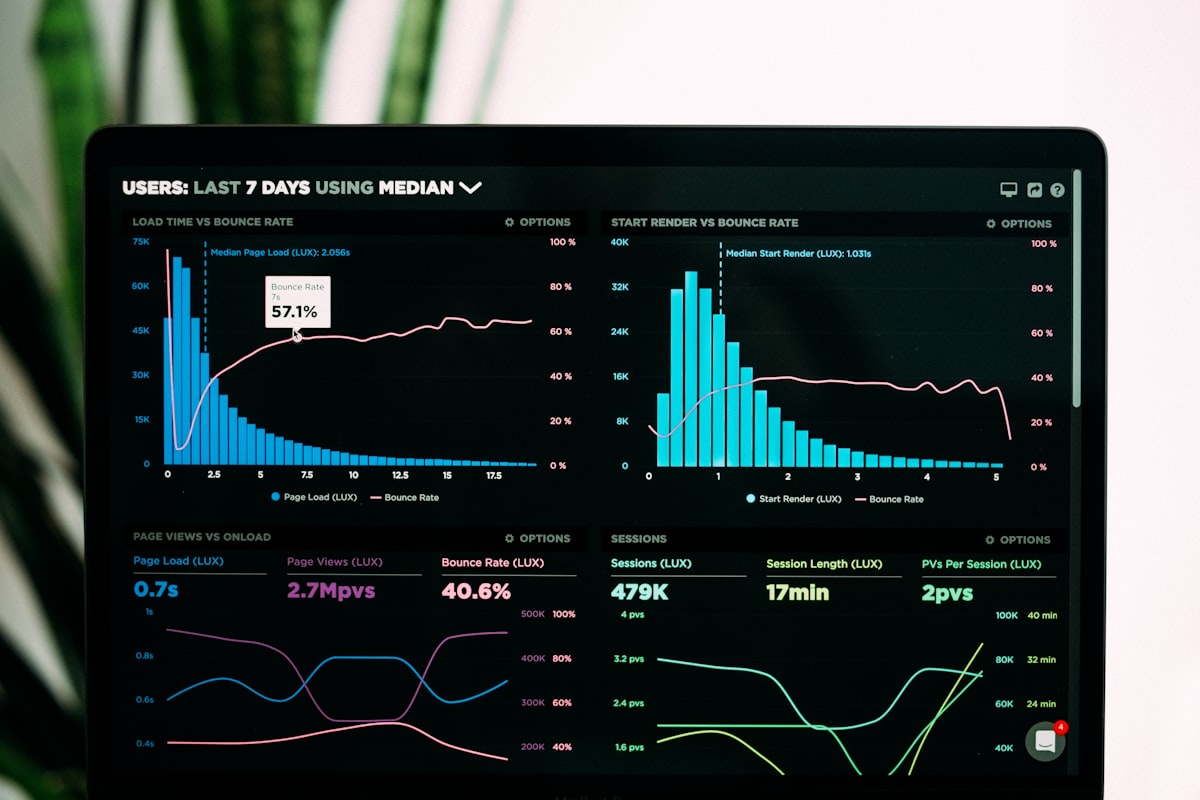
Your ticketing platform should give you access to data that helps you improve at the next event:
- Sales curve: when were the majority of tickets sold? Did the early bird work? Was there a spike after a specific marketing action?
- Traffic source: where did the buyers come from? Which campaign generated the most sales? Which channel was most efficient in cost per ticket sold?
- Cart abandonment rate: how many people started the purchase process and didn't complete it? At which step did they drop off?
- Geographic distribution: which cities did your buyers come from? This defines where to invest in marketing next time.
The data analysis for events goes deeper into how to turn these numbers into decisions.
Loyalty: the asset that grows with every event
Every event you organize generates an asset that most promoters undervalue: a base of buyers who already know you, who already trusted you, and who, if the experience was good, will buy again.
- Post-event email: thank them for attending, share photos/video of the event, ask about the experience. A simple email, sent within the first 24h, has open rates of 50-60%.
- Short survey: 3-5 questions about the experience. Not a 20-question form. What did you like most? What would you improve? Would you come to the next one?
- Early access to the next event: offer attendees the chance to buy before the general public. This generates early sales and rewards loyalty.
For complete loyalty strategies, check how to build attendee loyalty.
How do you scale your operation as a promoter?
Once you've done 5-10 events and have a process that works, the question is how to scale without quality suffering and without your life turning into permanent chaos.
From solo promoter to events company
- Standardize your processes: create templates for budgets, contracts, operations checklists, and marketing calendars. What you do from memory for one event doesn't scale to ten.
- Build a team you trust: identify 2-3 key people (production, communication, operations) who can execute without your constant supervision.
- Negotiate by volume: if you organize 10+ events a year, negotiate better terms with venues, production vendors, and ticketing platforms. Your volume is your negotiating power.
- Diversify formats: don't depend on a single type of event or a single artist. A promoter who only does indie concerts is more exposed than one who combines concerts, festivals, corporate events, and culinary experiences.
Metrics a growing promoter should watch
- Average occupancy rate: what percentage of capacity do you fill on average? Below 70%, your pricing or your marketing needs adjustments.
- Cost of acquisition per ticket (CAC): how much do you spend on marketing for each ticket sold? If you spend €3 on marketing to sell a €15 ticket, your margin gets squeezed.
- Recurring buyer rate: what percentage of your buyers has bought more than one of your events? A ratio above 25% indicates you're building a brand.
- Average sell-out time: how many days does it take you to sell out? Reducing this time is a sign that your brand and your audience are growing.
- Net margin per event: after all expenses, how much is left? A healthy promoter should aim for margins of 15-25% on gross revenue.
What mistakes sink promoters and how do you avoid them?
Many promoters with a good artistic eye and production capability fail because of management mistakes that are completely avoidable.
Financial mistakes
- Not having an emergency fund: a canceled event without cancellation insurance can wipe out a promoter. Always keep a financial cushion equivalent to the cost of a full event.
- Paying inflated fees for artists without local demand: an artist being internationally famous doesn't mean they'll fill a venue in your city. Always validate local demand before committing to a high fee.
- Ignoring hidden costs: insurance, royalty collection societies, permits, cleaning, extra security, the VAT you hadn't calculated. A budget that doesn't include 10-15% for contingencies isn't a budget.
Management mistakes
- Not having a plan B for rain or incidents: if your event is outdoors, you need a contingency plan that isn't "praying." Tents, rain insurance, communication of changes.
- Depending on a single sales channel: if all your sales go through a single social network, you're at the mercy of an algorithm change. Diversify: your own website, social media, email, distribution at physical points.
- Not documenting learnings: after each event, spend 30 minutes writing down what worked, what didn't, and what you'd do differently. Over 10 events, that document is worth more than any event management course.
Legal mistakes
- Not having a written contract with the venue or the artist: a verbal agreement doesn't protect you against cancellations, changes in terms, or financial disputes.
- Ignoring data protection regulations: if you sell tickets and collect buyer data, you have obligations under the GDPR. Failing to comply can cost you a significant fine. Check the GDPR guide for organizers.
- Not knowing the tax rules for ticket sales: the applicable VAT, invoicing obligations, and artist withholdings have particularities in Spain. Consult our ticket sales taxation guide.
How is technology a promoter's competitive advantage?
In 2026, the difference between a promoter who survives and one who grows isn't only in the talent they book or the venues they secure. It's in the technology they use to sell more, operate better, and understand their audience.
What technology solves for a promoter
- Sell while you sleep: a ticketing platform with a widget embedded in your website sells 24/7 without you having to do anything.
- Protect your revenue: an anti-fraud system with dynamic QR prevents duplicated or fake tickets from reducing your real paid capacity.
- Understand your audience: purchase data tells you who your audience is, where they come from, when they buy, and what motivates them. That information is worth more than any market study.
- Automate communication: confirmation emails, pre-event reminders, post-event communications. All programmed once and executed automatically for each event.
- Make data-driven decisions: a dashboard with the right metrics tells you in real time whether your event is going well or needs an intervention.
When to invest in technology
You don't need the most expensive or the most complete platform on the market for your first event. But you do need one that grows with you:
- 0-5 events a year: you need a reliable platform with good support, reasonable fees, and access to your data.
- 5-20 events a year: you need integrations (CRM, email marketing, accounting), advanced reporting, and a serious anti-fraud system.
- 20+ events a year: you need your own API, white-label, flexible settlement, priority support, and predictive analytics tools.
With Futura Tickets, ticket sales, the bar POS, cashless, the CRM and promoter (PR) management run in the same system: every buyer becomes a profile with their history, and every PR rep sells with the commission you set, which the system applies to each sale.
Conclusion: being a promoter is a business, not a hobby
The difference between a promoter who organizes events "when they can" and one who builds a profitable business comes down to three things: rigorous financial planning, professional operations, and intelligent use of technology.
You don't need to start with big artists or 10,000-person venues. The best promoters in Spain started by filling 200-person halls and reinvesting every euro into improving their operations, their marketing, and their relationship with their audience.
What you do need from the very first event is to treat your activity as a business: calculate before committing, measure after executing, and learn from every piece of data you generate.
If you're looking for a ticketing platform that gives you the data, the security, and the tools a professional promoter needs, you can request a Futura Tickets demo and see how it works with your next event.