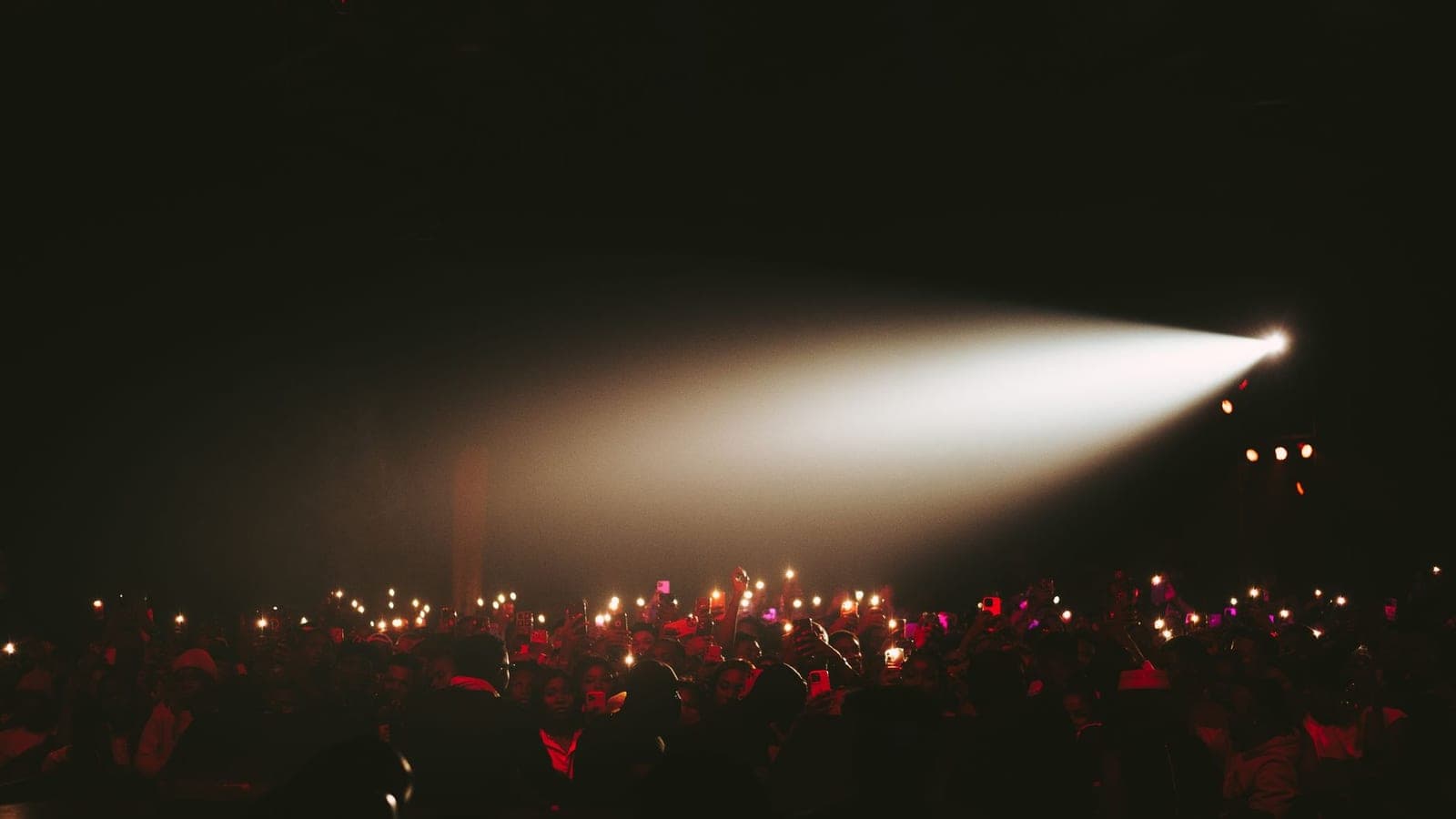
You run a 400-capacity venue, you have three gigs this week and half the tickets for Thursday are still unsold. Saturday's act sells out, but the fee eats your margin. And the midweek show... well, you're praying the promoter delivers. If you run a live music venue, this scenario will be familiar.
Small and mid-sized venues (100 to 2,000 capacity) operate in an awkward space: too big to rely on organic audiences alone, too small to access the tools and terms that large venues take for granted. Margins are tight, programming is constant and every unsold ticket hits the bottom line directly.
This guide collects the strategies, tools and decisions that separate a venue that survives from one that thrives. No magic formulas: real problems and solutions that work on the Spanish circuit.
Why do small and mid-sized venues need their own approach?
General-purpose ticketing platforms are designed for festivals of 50,000 people or corporate conferences. If you're comparing options, our comparison of ticketing platforms in Spain can help. When a 300-capacity venue tries to use them, it runs into fees that don't add up, features it doesn't need and gaps in the ones that matter.
The margin problem
At a small venue, the margin per ticket is microscopic. If you charge €12 for a midweek indie gig and the platform takes a flat €1.50 fee, you've just lost 12.5% of the ticket price before paying the artist, the sound engineer, the SGAE and insurance. Multiply that by 150 tickets and the gap between a 5% and a 10% commission is €900 a month. For a venue that runs four concerts a week, that can be the difference between closing the year in the black or in the red.
Volume as both salvation and curse
Mid-sized venues offset low margins with volume: lots of events, lots of nights, constant turnover. But volume demands flawless management. You can't spend two hours setting up each event on the platform. You need templates, quick duplication, predefined pricing by type of night and automations that cut the admin work.
The relationship with promoters
Unlike large venues, mid-sized venues work with dozens of different promoters. Each promoter has their own terms, reporting needs and way of working. Your ticketing system must let you give each promoter partial access to their own events, with their own sales dashboards, without them seeing anyone else's data.
Presale vs. door: which is better for a venue?
At concert venues, the battle between online presale and door sales shapes the commercial strategy. And there is no single answer.
When to prioritise presale
Presale is your ally when you need certainty. If you've guaranteed a high fee to an artist, you need to know in advance whether you'll sell out. Presale lets you:
- Forecast revenue and adjust spending before the event
- Spot weak shows in time to step up promotion
- Reduce box office staff on the night of the event
- Generate buyer data for future campaigns
The trick is to make buying early worthwhile. A discount of €2-3 on the door price is usually enough at venues. You don't need aggressive discounts; you need to remove friction from the purchase.
When the door rules
In some genres and audiences, buying is inherently last-minute. DJ sessions, club nights with live acts, certain jazz circuits... The audience decides that same afternoon. Forcing presale with prohibitive door prices can backfire.
In these cases, your ticketing system must make door sales easy: integrated POS, fast payment, instant digital ticket generation and real-time sync with capacity. Every second a customer spends in the box office queue is a second they aren't inside spending money.
The hybrid model that works
Most successful venues use a mixed model: presale with a price advantage, and door sales at the standard price or slightly higher. The key is for the system to manage both channels without duplicating work. One platform that controls online tickets, the door list, promoter tickets and total capacity in real time.
How do you manage promoters and guest lists at a concert venue?
Promoters are a core sales channel at Spanish concert venues, something they share with nightclubs, especially those that combine live music with late-night sessions. But managing promoters with Excel sheets, WhatsApp and paper lists is a recipe for disaster.
What you really need
Each promoter should have a personalised link or a unique discount code. When someone buys through that link, the sale is attributed to the promoter automatically. No arguments, no manual counts, no "I brought those 20 people but they're not on the list".
The ideal system lets you:
- Assign quotas per promoter (maximum tickets or guest list places)
- See in real time how many sales each one has generated
- Calculate commissions automatically according to the agreed deal
- Close lists at a set time (the lists for a concert starting at 21:00 shouldn't accept names at 20:55)
Guest lists without chaos
Besides promoter lists, venues handle guest lists for the artist, the record label, sponsors and management. They all have to coexist without overlapping and without exceeding the legal capacity. A digital system with validation by name and ID removes gatecrashers and duplicates. You can go deeper in our guide to managing guest lists.
Transparent settlements
The most common source of conflict between venues and promoters is money. If the promoter is paid per ticket sold, they need to see exactly how many they've sold and what they're owed. A dashboard with real-time data and report exports prevents 90% of the arguments. And it saves you hours of manual bookkeeping every week.
How do you apply dynamic pricing at a concert venue?
Dynamic pricing isn't just for airlines or big festivals. At a concert venue, applied with judgement, it can raise revenue by 10% to 25% without driving away your audience.
Pricing by time phase
The simplest and most effective model for venues: early bird price, standard price and last-tickets price.
- Early bird (first 48-72 hours): a reduced price to build initial traction and social proof. If someone sees that 80 tickets have already been sold, they're more likely to buy.
- Standard (the bulk of sales): the event's base price.
- Last tickets (when less than 15-20% of capacity remains): a price increase that capitalises on urgency and rewards those who bought earlier.
This model works because it's predictable. The audience understands that buying earlier is cheaper. You don't need complex algorithms; you need clear, automated rules. You'll find more detail in our complete guide to dynamic pricing.
Pricing by day of the week
A Tuesday is not a Saturday. Many venues apply the same base price to every event and then wonder why Tuesdays are empty. Adjusting the base price by day (lower midweek, standard at the weekend) is a simple lever that improves overall occupancy.
Pricing by ticket type
Seated, standing, VIP area, meet & greet... Segmenting by zone or by experience lets you capture willingness to pay. Review the types of tickets available to find the ideal mix for each type of audience. The fan who wants to be in the front row will pay more. The one who just wants to hang out with friends will look for the cheapest option. Both leave happy.
How do sales strategies vary by music genre?
Not all concerts sell the same way. The genre determines the buyer profile, the timing of purchase, the promotion channels that work and even the type of ticket that performs.
Indie and alternative pop
The indie audience buys with moderate lead time (1-3 weeks ahead). It responds well to presales with a reduced price and to Instagram campaigns and newsletters. Post-concert meet & greets with the artist can be an interesting premium product for bands with an established fan base. The key: present the presale as something exclusive, not as a discount.
Electronic music and DJ sets
Late purchase, heavily influenced by the final line-up and by group dynamics. Group discount codes (4 tickets for the price of 3) work especially well. Promoter lists are essential. Pricing by hour also makes sense: cheaper entry before 00:00, standard price afterwards. Social media (Instagram Stories, TikTok) is the dominant channel.
Jazz, blues and world music
An older audience that plans its purchases more. Season passes and concert bundles are very effective. This audience values the experience: a reserved table, dinner + concert, a zone with better acoustics. Communication works better through email and the cultural press than through mass social media. Consider options such as a quarterly pass with a progressive discount.
Flamenco
Flamenco has a dual audience: the local aficionado who goes regularly and the tourist (especially in cities such as Madrid, Seville or Barcelona). For the tourist, a ticket with a drink or dinner included is the star product. For the aficionado, it's the season pass and loyalty. The ticketing system must support bundled products (ticket + drink, ticket + dinner) with stock management for the restaurant or bar.
Metal and hardcore
Fast presale when the artist has pulling power. The metal audience is one of the most loyal and buys earlier than almost any other segment. Meet & greets, limited-edition tickets with merchandise included and exclusive presales for fan club members work very well. Communication goes through specialist forums, Facebook groups and the venue's newsletter.
How do you work with booking agencies and external promoters?
Most mid-sized venues don't programme all their concerts in-house. They work with booking agencies and external promoters who bring in artists, take on part of the financial risk and expect a professional level of service in ticket management.
Common collaboration models
- Venue hire: the promoter rents the venue for a fixed amount, manages the tickets and bears all the risk. The venue provides the space, the technical equipment and, optionally, the bar.
- Door split: venue and promoter share ticket revenue according to an agreed percentage (typically 70/30 or 80/20 in the promoter's favour).
- Guarantee + percentage: the promoter receives a guaranteed minimum and, if sales exceed a threshold, the surplus is split.
In any of these models, the promoter needs real-time visibility of sales. A ticketing system that lets you create users with limited permissions (view sales for their events, download reports, manage lists) is essential for a professional relationship.
Reporting for promoters
The promoter wants to know how many tickets have been sold, at what price, through which channel (online, door, promoters) and how many are left. They want to know now, not when you find time to put an Excel sheet together. A real-time dashboard the promoter can check whenever they like is the difference between a relationship of trust and one of constant tension. To put these metrics in place, take a look at how to build a ticketing dashboard with the key metrics.
Automated settlements
After the event, you have to settle up. How many tickets were sold through each channel, how much each party is owed, which expenses are deducted. If this process is manual, it will eat up hours every week. If the system automatically generates a settlement report with all the data, review and payment are quick and frictionless.
How do you control legal capacity and comply with regulations?
Concert venues in Spain are subject to strict capacity rules. See our event safety guide for a full overview of the regulatory framework. Exceeding capacity can lead to fines, temporary closure and even criminal liability if an incident occurs.
Real-time capacity control
Your ticketing system must know at all times how many people are inside. Not how many tickets have been sold, but how many people have actually entered. The difference matters: not everyone who buys turns up, and if you sell tickets at the door, you need to know in real time how many you can sell without exceeding capacity.
This requires door ticket validation (QR or NFC scanner) that deducts from available capacity in real time. If you have several entrances, they must all be in sync.
Minors and time restrictions
Depending on the autonomous community, venues with an entertainment licence have different restrictions for minors. Some allow accompanied minors up to a certain hour, others don't allow them at all. Your sales system should be able to restrict purchases by declared age or, at the very least, include clear legal notices in the checkout process.
Accessibility
Venues must reserve spaces for people with reduced mobility. The ticketing system must handle these spaces specifically: allow a companion space to be reserved at no extra cost, and make sure these spaces aren't sold as general tickets as the event approaches a sell-out.
Data protection
Every ticket sold online generates personal data. Name, email, phone number, in some cases ID number. Handling this data must comply with the GDPR. We have a complete guide on GDPR compliance for event organisers that covers the legal aspects.
What promotion tools should ticketing integrate?
Selling tickets isn't just opening a sales link. Your ticketing platform should also be your marketing tool.
Promo codes and discounts
Promo codes are a versatile tool for concert venues. You can use them for:
- Discounts for venue members or fan club members
- Special prices for the media and press
- Cross-promotions with bars, restaurants or local shops
- Discounts for students or under-30s with a verifiable code
- Promoter codes to track sales by promoter
The key is for each code to have a usage limit, an expiry date and full traceability. If you want to go deeper, we have a guide to promo code strategies.
Embedded sales widget
Your website is your shop window. If you force your audience to leave your site to buy tickets on an external platform, you lose conversions and you lose control over the experience. An embedded sales widget that plugs into your site with your branding keeps the user in your ecosystem and improves the conversion rate.
Email marketing with real data
If your ticketing platform captures emails with consent, you have a database of people who have paid to go to concerts at your venue. That is gold. You can segment by music genre, purchase frequency and average spend. And send relevant messages: "You've been to three jazz concerts this quarter, next month we have X". The conversion of these emails is far higher than any social media campaign. See our email marketing guide for events.
How do you recover lost ticket sales?
At a venue that runs 15-20 events a month, every percentage point of improvement in conversion translates into hundreds of extra tickets a year.
Abandoned carts
Between 60% and 75% of ticket purchases are abandoned before payment is completed. The buyer got distracted, doubted the price, wanted to check with friends. A cart recovery system (an automatic email 30-60 minutes later reminding them that they have tickets reserved) can recover between 5% and 15% of those lost sales. We have a full article on how to recover abandoned carts in ticketing.
Waiting lists
When a concert sells out, don't lose those people. A waiting list lets you notify them if tickets are released (refunds, cancelled reservations). It also gives you valuable information: if the waiting list for an artist has 200 people on it, perhaps you should schedule a second date.
Upgrades and cross-selling
If someone has bought a general admission ticket, why not offer them an upgrade to VIP or a meet & greet a few days before the event? The buyer has already decided to go; now it's easier for them to spend a little more. Pre-event upgrade emails with limited availability have very interesting conversion rates.
Which metrics should a venue track every week?
You can't improve what you don't measure. These are the critical metrics for a concert venue.
Occupancy rate by event type
Don't just look at the average. Break it down by music genre, day of the week and promoter. Do your indie Thursdays fill to 85% while your singer-songwriter Wednesdays sit at 30%? That tells you what to programme where.
Presale/door ratio
What percentage of your sales is online and what percentage is at the door? If presale is low, your online purchase process may be too complicated, your communication may not be working or your audience may simply prefer to buy at the door. Each scenario calls for a different response.
Revenue per event and per m²
Total revenue matters, but revenue per m² tells you whether you're making the most of your space. A concert of 200 people at €15 can generate more than one of 300 at €8, and it takes up less capacity. Are you optimising for a full room or for revenue?
Average purchase lead time
How many days before the event does your audience buy, on average? If the answer is "the same day", you have a presale problem. If the answer is "three weeks before", you have room to adjust your pricing and promotion strategy with real data.
Acquisition cost per ticket
How much does it cost you to sell each ticket? Add up the platform commission, advertising spend and management hours. If the acquisition cost exceeds your margin, you lose money on every sale. A platform like Futura Tickets with competitive commissions and integrated promotion tools can reduce this cost significantly.
How do you integrate ticketing with the venue's ecosystem?
Ticketing doesn't work in isolation. At a concert venue, it's connected to the bar, communications, accounting and door operations.
Bar and drinks
Some venues offer tickets with a drink included. The ticketing system must be able to manage these bundled products and, ideally, connect to the bar POS so staff know which drink goes with each ticket without needing extra physical tickets.
Accounting and invoicing
Every ticket sold generates an accounting entry. If your platform exports data in formats compatible with your accounting software (or integrates with it directly), you save hours of manual bookkeeping and reduce errors.
CRM and communications
Buyer data should flow into your communication tool (Mailchimp, Brevo, whatever you use). Automatic segmentation by event, music genre and purchase frequency. Without integrations, this data sits dead in the ticketing platform and is of no use to anyone.
Conclusion
Managing ticketing for a small or mid-sized concert venue means managing tight margins, multiple events every week, promoters, external promoters and an audience with very specific buying habits depending on the music genre. Generic solutions don't cover these needs.
What makes the difference is a platform built for your reality: commissions that don't eat your margin, integrated promoter and guest list tools, simple dynamic pricing, real-time reporting for promoters and capacity control that meets the regulations. All in a system you can set up in minutes, because you have three gigs this week and can't lose half a morning setting up each event.
If you'd like to see how we solve these problems at venues like yours, request a demo and we'll go through it together with real data from your programme.